
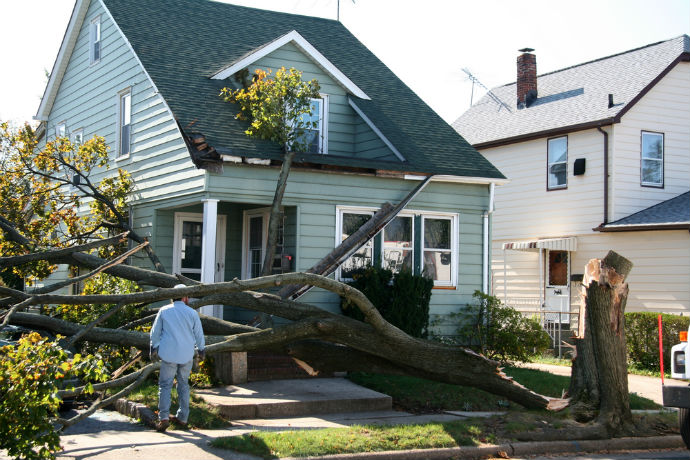
Natural disasters significantly impact communities and ecosystems, resulting in extensive destruction that necessitates prompt and effective responses. Rapid recovery isn’t just about rebuilding structures; it also involves restoring the natural landscape to preserve biodiversity and safeguard the health of local populations. Below are detailed strategies and considerations to ensure a successful post-disaster restoration, drawing on expert insights and community engagement to create resilient, thriving environments.
I. Understanding the Scope of Destruction
Before any meaningful restoration can begin, a comprehensive assessment of the damage is crucial. This involves evaluating not only buildings and infrastructure but also soil stability, vegetation loss, water contamination, and wildlife displacement. Drones, satellite imagery, and on-ground inspections can help pinpoint areas that need immediate attention. By mapping the most severely impacted zones, emergency teams can prioritize resources and reduce the risk of secondary damage, such as erosion or the spread of hazardous materials.
II. Rapid Assessment and Prioritization
Timeliness is vital when restoring landscapes after a disaster. While large-scale damage can feel overwhelming, breaking down tasks into smaller, prioritized steps facilitates more efficient progress. Stabilizing vulnerable sites—like unstable slopes or compromised shorelines—helps prevent further erosion or flooding. Reconnecting broken infrastructure, including roads and drainage systems, is equally important. During this phase, local authorities, volunteers, and experts often partner with a damage restoration company to coordinate efforts and ensure specialized resources are utilized effectively.
III. Engaging a Skilled Restoration Team
Successful disaster recovery relies on interdisciplinary collaboration. Engaging civil engineers, environmental scientists, local community leaders, and volunteers create a balanced approach that addresses both immediate hazards and long-term sustainability. A reliable damage restoration company brings expertise in decontamination, structural rehabilitation, and debris management, ensuring that complex tasks are carried out safely. These professionals also provide specialized equipment—from water extraction tools to industrial dehumidifiers—that might otherwise be unavailable in remote or severely impacted areas.
IV. Rebuilding Infrastructure and Ecosystems
While rebuilding roads and electricity lines often takes center stage, restoring the natural environment is equally critical. Planting native tree species, for instance, can stabilize soil, prevent landslides, and promote local biodiversity. Wetland restoration helps filter contaminants, manages floodwater, and provides habitats for essential wildlife. Alongside ecological efforts, teams must address health hazards, such as standing water or mold growth, which pose significant risks to community well-being. In many cases, a comprehensive plan developed in partnership with a damage restoration company ensures that both nature and people can flourish during recovery.
V. Community Collaboration and Long-Term Recovery
Involving local residents in restoration activities fosters a sense of ownership and unity. Workshops and training programs can equip community members with the knowledge and skills needed for ongoing maintenance and disaster preparedness. Efforts to restore damaged landscapes should also consider economic stability—by reintroducing lost livelihoods, such as sustainable agriculture or ecotourism, affected regions can secure a brighter future. Collaborations among government agencies, nonprofits, and private businesses can further amplify these projects, transforming devastated areas into resilient, revitalized spaces.
VI. Strengthening Future Preparedness
Healing the land after a natural disaster isn’t just about returning to a previous state; it’s an opportunity to build resilience. By incorporating updated building codes, green infrastructure, and regular environmental monitoring, communities can mitigate the impact of future catastrophes. Elevated structures, improved drainage systems, and protective vegetation buffers help reduce vulnerability. Continued dialogue between experts and residents fosters a culture of risk awareness, ensuring that lessons learned from one disaster inform preparedness for the next.
Conclusion
Rapid landscape restoration is a challenging and multifaceted endeavor, requiring the combined efforts of qualified professionals, engaged citizens, and innovative problem-solvers. By conducting thorough assessments, prioritizing tasks, and involving a skilled damage restoration company where needed, communities can recover both swiftly and sustainably. Most importantly, disaster-affected regions can become stronger, more resilient, and better prepared for future difficulties. Healing the land through responsible rebuilding and ecological stewardship transforms the community, turning a catastrophe into a possibility for a safer, healthier future.