
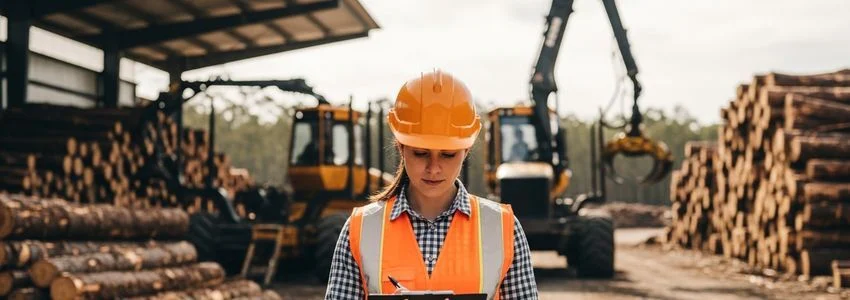
A productive logging fleet is more than a collection of powerful machines. Every piece of equipment must contribute to efficient timber harvesting, safe material handling, and reliable transportation across challenging terrain. Logging contractors face constant pressure to complete projects on schedule while controlling fuel consumption, maintenance expenses, and unexpected downtime. Building a fleet that meets these demands requires careful equipment selection, strategic planning, and dependable technical support.
Working with an experienced forestry equipment dealer can simplify this process by helping businesses identify suitable machinery, plan equipment investments, and maintain consistent performance throughout demanding logging operations.
Understanding the Equipment Requirements of Logging Operations
Every logging operation has different equipment requirements depending on timber size, terrain conditions, harvesting methods, and production targets. A contractor working in mountainous forests may need machinery with exceptional traction and stability, while operations on relatively flat terrain may prioritize speed and material handling capacity.
Before investing in equipment, contractors should evaluate their daily production goals and identify potential limitations in their existing fleet. Machines that perform efficiently under one set of conditions may struggle when introduced to different environments.
A knowledgeable forestry equipment dealer can help contractors compare machine capabilities and select equipment that supports their specific operational requirements. This approach reduces unnecessary purchases and helps businesses create a more balanced fleet.
Selecting the Right Combination of Forestry Machinery
A successful logging operation depends on several machines working together efficiently. Harvesters, feller bunchers, skidders, forwarders, and loaders perform different functions throughout the timber harvesting process.
Harvesters and feller bunchers support tree cutting and collection, while skidders and forwarders transport timber from harvesting areas to designated collection points. Loaders then assist with organizing and transferring logs for transportation.
Choosing machinery with compatible production capacities is essential. For example, purchasing a high-capacity harvester without sufficient timber transportation equipment can create bottlenecks that reduce overall productivity.
Equipment dealers can provide guidance on matching machine capabilities, allowing contractors to maintain smoother workflows and avoid unnecessary delays between harvesting stages.
Prioritizing Equipment Reliability and Durability
Logging machinery operates under demanding conditions that expose components to heavy loads, uneven surfaces, moisture, dust, and continuous vibration. Equipment reliability directly influences production schedules and operating expenses.
Contractors should evaluate engine performance, hydraulic systems, structural strength, and undercarriage durability before purchasing machinery. Equipment designed for demanding forestry applications generally offers features that support consistent performance under challenging workloads.
A dependable forestry equipment dealer can also provide information about machine specifications, recommended operating conditions, and maintenance requirements.
Investing in durable equipment may involve higher initial expenses, but reliable machinery can reduce repair frequency and contribute to improved operational efficiency over time.
Reducing Downtime Through Maintenance and Parts Support
Unexpected equipment failures can interrupt harvesting schedules and create additional expenses. When a critical machine stops operating, other equipment may remain idle until repairs are completed.
Preventive maintenance helps contractors identify developing mechanical problems before they become serious failures. Regular inspections of hydraulic connections, cooling systems, filters, tracks, and cutting components support dependable machine performance.
Access to replacement parts is equally important. Working with a dealer that offers dependable parts availability and qualified service assistance can help minimize extended equipment interruptions.
Contractors should also establish maintenance schedules based on manufacturer recommendations, operating hours, and actual working conditions rather than waiting for visible equipment problems.
Evaluating New and Used Equipment Investments
Building a productive fleet does not necessarily require purchasing every machine new. Many logging businesses combine new equipment with carefully selected used machinery to manage investment costs.
New forestry equipment may provide updated technology, manufacturer warranty coverage, and improved operator features. Used machines can offer financial flexibility, particularly for contractors expanding their operations or replacing secondary equipment.
However, used equipment requires careful evaluation. Maintenance records, engine hours, hydraulic performance, structural condition, and previous operating environments should all influence purchasing decisions.
An established dealer can help businesses compare available options and determine which equipment investments best support their production goals and financial resources.
Improving Fleet Efficiency Through Operator Training
Even advanced forestry machinery cannot deliver maximum productivity without skilled operators. Proper training helps employees understand machine controls, operating limitations, safety procedures, and efficient working techniques.
Operators who understand equipment capabilities can reduce unnecessary movements, avoid excessive machine strain, and improve material handling efficiency.
Training should also emphasize daily equipment inspections and early identification of mechanical problems. Recognizing unusual vibrations, hydraulic leaks, or changes in machine performance allows operators to report concerns before significant damage occurs.
Dealers may provide equipment familiarization, operating guidance, or access to manufacturer training resources that help contractors use machinery more effectively.
Planning for Future Fleet Expansion
Logging businesses should consider future production requirements when purchasing equipment. Changes in contract volume, harvesting locations, and timber processing demands can influence machinery needs.
Fleet expansion should follow a structured approach that considers equipment utilization, maintenance expenses, and anticipated project requirements.
Maintaining a long-term relationship with a forestry equipment dealer can provide access to equipment recommendations, replacement options, and technical support as business needs evolve.
Conclusion
Building a productive logging fleet requires thoughtful machinery selection, dependable maintenance practices, trained operators, and careful financial planning. Every equipment investment should support efficient harvesting while minimizing unnecessary operating expenses.
With assistance from a reliable forestry equipment dealer, logging contractors can make informed purchasing decisions, maintain equipment performance, and develop fleets capable of supporting consistent productivity and long-term business growth.